Microsoft's DirectX Raytracing Update Could Cut RT Memory Use by Up to 90%

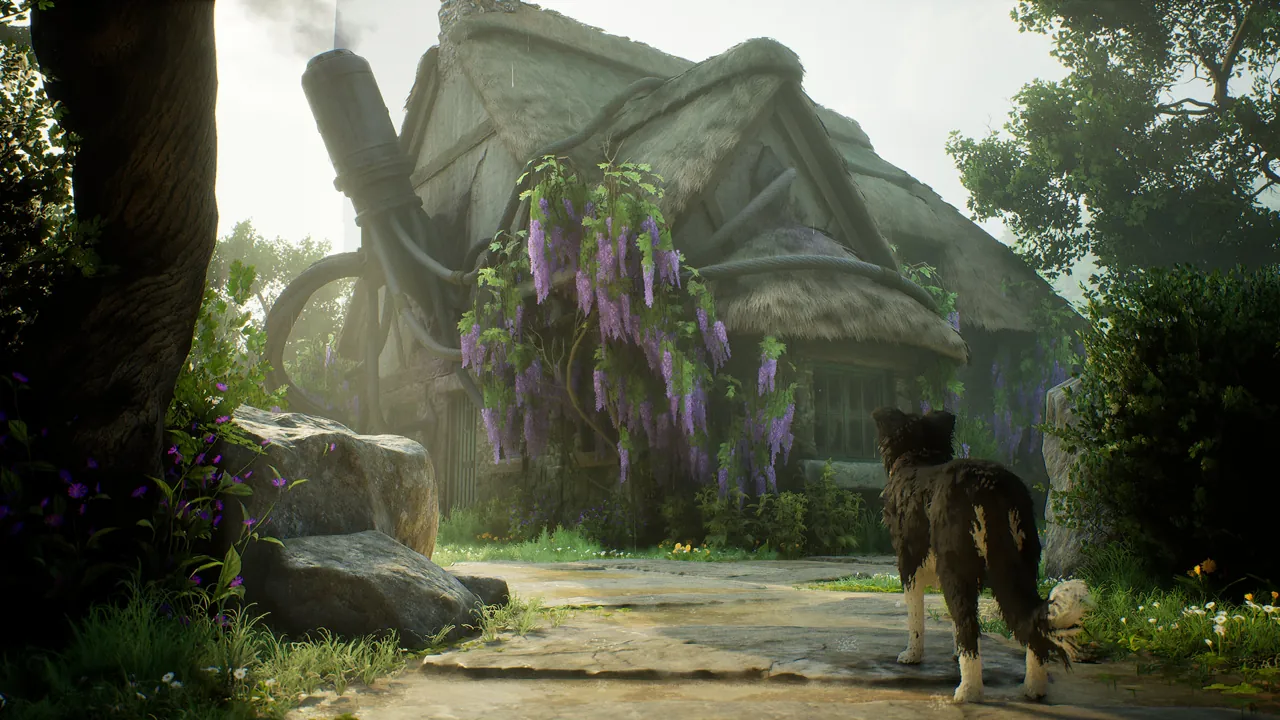
Ray tracing looks fantastic, but it eats graphics memory. In a developer blog post published October 28, Microsoft previewed new DirectX features to lighten that load, and its test results are striking. PC Gamer reports that Microsoft calls this the "most significant update" to DirectX Raytracing since it launched in 2018.
The features are part of a DirectX 12 Agility SDK preview, and they add Clustered Geometry, Partitioned TLAS (top-level acceleration structures), and GPU-driven acceleration structure builds. Clustered Geometry splits models into reusable chunks of up to 256 triangles, so when something moves or changes detail, developers can rebuild only a few pieces instead of the whole object. Partitioned TLAS divides the scene into regions so that only the areas that changed need updating.
In Microsoft's sample on an AMD Radeon RX 9070, switching to clustered geometry raised the frame rate from 1.2 fps to 79 fps. Per-frame build time fell from 788 ms to 3.11 ms, and total acceleration structure memory dropped from 7,519 MiB to 774 MiB, which Microsoft lists as 89.7% less.
There are big caveats. TechSpot notes that those savings apply only to ray tracing data, not a game's total VRAM use, and that Microsoft warned real games shouldn't expect gains anywhere near that large. Clustered builds also need far more temporary scratch memory. For now the features are experimental and require the SDK preview, a supporting driver, and Windows Developer Mode, and Microsoft hasn't said when they will reach retail.
According to TechSpot, the update doesn't need new hardware. Nvidia supports it on every RTX card, Intel on Arc B-series GPUs and recent Core Ultra chips, and AMD so far only on the Radeon RX 9000 series. If it catches on, having one cross-vendor approach could eventually make detailed ray tracing practical on many more PCs.
Sources
More news
Grand Theft Auto VI Is Now Available Worldwide on PlayStation 5 and Xbox Series X|S

Disney Dreamlight Valley: The Keepsake Sea Sets Sail, With Merfolk Form and Three New Islands